How to Describe a Sticking or Misaligned Lock to a Locksmith
A lock that sticks, jams, or won't line up right is more than a small frustration. It can make you late, leave your home or business insecure, or trap you outside. When you call for locksmith help, the quality of the fix depends heavily on what you tell the provider. A clear description helps the technician bring the right tools and parts, and saves you from repeat visits. This article walks you through the steps of describing a sticking or misaligned lock so that the person on the other end understands exactly what is happening.
Step 1: Identify the Exact Problem
Before you pick up the phone, take a moment to figure out what the lock is actually doing. The same words - "sticking" or "misaligned" - can mean different things. A lock that sticks when you turn the key is not the same as a latch bolt that will not slide into the strike plate. Start by testing the lock several times. Does it fail consistently, or only sometimes? Does it get worse in certain weather? Knowing these details helps you give a precise description.
Common issues include the key going in but not turning, the key turning but not retracting the bolt, the bolt scraping against the strike plate, or the deadbolt not reaching far enough. Each points to a different cause. For example, a key that won't turn often means a worn keyway or a broken pin inside the lock cylinder. A bolt that scrapes suggests the strike plate is out of alignment with the door frame. Write down what you see and feel, so you can report it clearly.
Step 2: Check the Door Itself
Many lock problems are actually door problems. A door that sags on its hinges will pull the lock out of alignment. Before you call, look at the gap between the door and the frame. If the gap is wider at the top than at the bottom, or if the door rubs against the frame when it opens, the hinges may need adjustment. Open and close the door slowly and watch how it moves. Does it stick at the top or bottom? Does it bind against the weatherstripping? These observations separate a lock issue from a structural one.
Also note whether the problem appears only when the door is closed. Sometimes the latch bolt lines up perfectly when the door is open, but the weight of the door pulls it down when closed. That is a strong sign of door sag. If you can lift the door slightly with the handle and the lock works better, mention that. It tells the provider that the strike plate or the hinges need attention, not the lock cylinder itself.
Step 3: Describe the Key and the Keyway
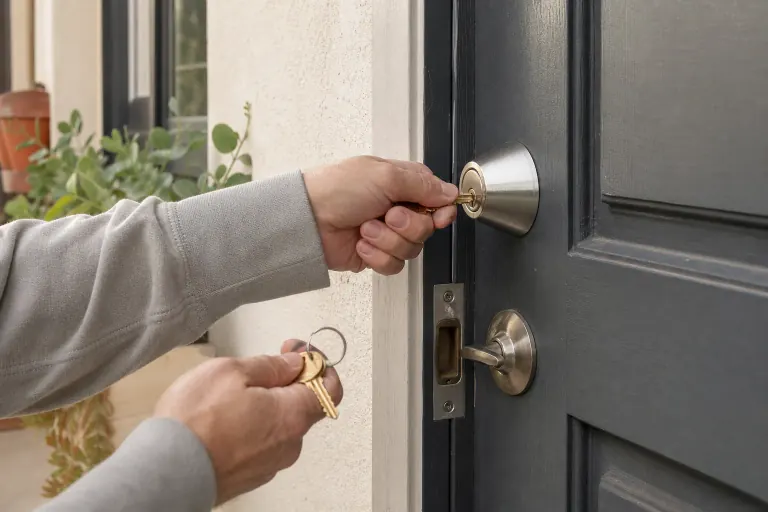
The key is a critical piece of evidence. Look at it closely. Is it worn smooth on one side? Are the teeth chipped or bent? A worn key can slip inside the keyway and fail to lift the pins properly. If you have a spare key, test it. If the spare works fine, the original key is the problem. If both keys behave the same way, the lock cylinder is likely the source.
When you describe the keyway, mention whether the key slides in smoothly or needs wiggling. If it goes in but won't turn, that is often a sign of a blocked keyway, a broken key fragment stuck inside, or a frozen lock cylinder. If the key turns but the bolt does not move, the mechanism inside the lock may be stripped or jammed. Be specific: "The key goes in easily but will not turn at all" versus "The key turns a quarter turn then stops" are very different descriptions.
Step 4: Note the Sound and Feel
Sound is a powerful clue. Listen carefully as you operate the lock. A grinding noise suggests metal-on-metal friction, often from a misaligned latch bolt rubbing against the strike plate. A clicking sound without movement means the internal parts are trying to engage but something blocks them. Silence where there should be a click may indicate a broken spring or a detached component.
Feel the resistance. Does the key turn with steady pressure, or does it resist and then suddenly give way? A lock that suddenly loosens after stiff resistance may have a broken pin. One that feels grainy or rough often has dirt or debris inside the lock cylinder. If the lock is on an exterior door, consider whether it has been exposed to rain or dust. For a vehicle lock, think about ice or road salt. These environmental factors matter, so include them in your description.
Step 5: Examine the Strike Plate and Bolt Alignment
The strike plate is the metal piece on the door frame that catches the latch bolt or deadbolt. If the bolt hits the plate instead of entering the hole, you have an alignment problem. Use a piece of cardboard or a pencil to mark where the bolt lands. If the mark is off-center, the door frame may have shifted, or the strike plate may need to be moved. Tell the provider whether the bolt is hitting high, low, left, or right. That information helps them decide if they need to adjust the strike plate, plane the door edge, or replace the hinges.
Also check whether the deadbolt extends fully. A deadbolt that only comes out partway may be catching on the door frame or the strike plate. This is a safety concern because a partial deadbolt offers little resistance to forced entry. If you see that, mention it immediately. The provider will know to prioritize that fix.
Step 6: Gather Context About the Lock and Door
If you know the brand or type of lock, say so. Common residential lock brands have different internal designs, and a technician familiar with a brand can bring the correct replacement parts. If the lock is part of a keyed-alike system (multiple locks using the same key), mention that too. The provider may need to rekey the new lock to match your existing keys.
Tell them how old the lock is. An old lock may have simple wear, while a relatively new lock that fails may have a manufacturing defect or an installation error. If the door is exterior, note whether it faces the weather directly. A lock on a south-facing door in a sunny climate can heat up and expand, while one on a north-facing door in a rainy area can corrode. These details make the description complete.
Step 7: Communicate Clearly Over the Phone
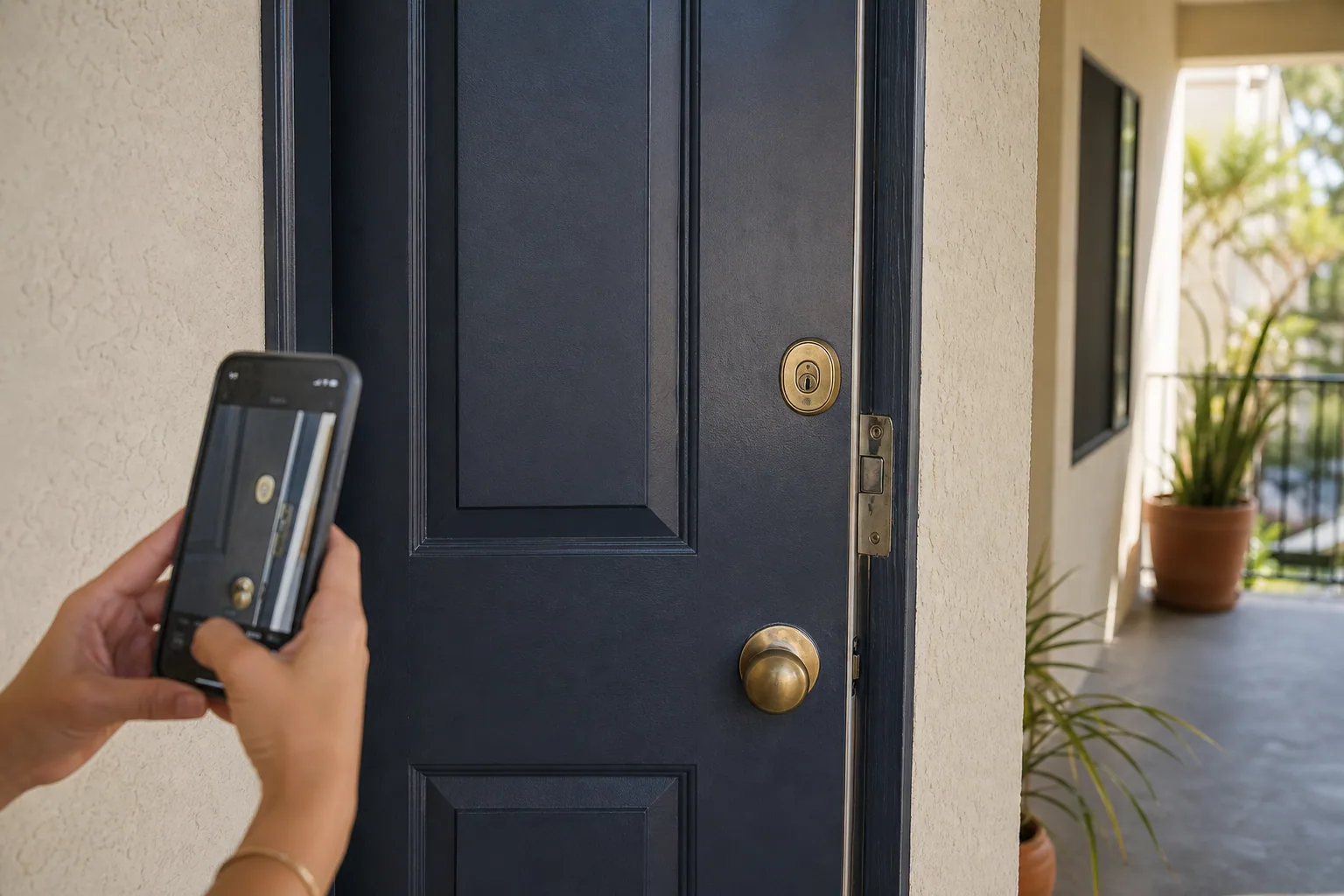
When you call for locksmith help, stay calm and speak in short, clear sentences. Start with the basic problem: "My deadbolt is sticking and won't close all the way." Then add the details you gathered: "The key turns smoothly but the bolt only comes out halfway. The door seems to sag a little, and the bolt hits the strike plate high." If you have photos or a video, many providers can take them via text or email. Visual evidence often replaces a long verbal description.
Be honest about what you have already tried. If you sprayed lubricant into the keyway, say so. Some lubricants attract dirt and make the problem worse. If you tried adjusting the strike plate yourself, mention that. The technician needs to know if the screws are stripped or if the plate is already loose. A provider who knows the full history can avoid wasting time undoing your previous attempts.
If you are not sure what the problem is, that is fine. Simply describe what you see and hear, and let the professional interpret it. A good provider will ask follow-up questions based on your description. Your job is to be honest and thorough, not to diagnose.
When to Call for Help
Some lock problems are urgent. If the lock is stuck in a way that locks you out or prevents you from locking the door, call immediately. If you notice a lock that suddenly becomes very hard to turn, that can signal an impending failure. Do not force it. Forcing a stuck lock can break the key inside the keyway, which turns a simple repair into a more complex extraction job.
For routine sticking that has been going on for weeks, you can schedule a visit at your convenience. But do not ignore it. A misaligned lock that scrapes every time you close the door will wear down the latch bolt and the strike plate over time, eventually leading to a lock that no longer engages at all. A small adjustment now is much cheaper than replacing the entire lock set later.
If you are looking for a reliable connection to a qualified provider in the Los Angeles area, rrlocksmithlosangeles.com can help you find available professionals for home, business, or vehicle lock and key needs. They connect you with vetted technicians who can handle the exact issue you described.
What to Expect From the Visit
Once the provider arrives, they will likely perform their own inspection. Expect them to test the lock with their own key, check the door alignment, look at the hinges, and inspect the strike plate. They may use a small file to adjust the strike plate opening, tighten the hinge screws, or replace the lock cylinder. In some cases, they might recommend a new deadbolt or a full lock replacement if the old one is too worn or damaged.
During the visit, feel free to ask questions. A good technician will explain what went wrong and what they did to fix it. That knowledge helps you spot the same problem early next time. It also helps you maintain your locks properly, which extends their life and keeps your property secure.
Preventing Future Alignment Issues
After the repair, there are simple things you can do to keep the lock working smoothly. Lubricate the lock cylinder once a year with a graphite powder, not oil. Oil attracts dust and can gum up the pins over time. Check the hinge screws every few months and tighten any that are loose. A door that sags just a little can throw off the lock alignment. If you notice the door sticking to the frame in humid weather, a small adjustment to the hinges can prevent the lock from binding.
For exterior doors, make sure the weatherstripping is not too thick. New weatherstripping that is too tight can push the door out of alignment with the strike plate. Trim it back if necessary. Also watch for seasonal changes. Wood doors expand in summer and contract in winter, which can affect the lock alignment. If the problem appears only in one season, that is worth noting for the next time you need locksmith help.
If you ever need assistance again, remember that a clear description is the fastest way to get your lock fixed. The time you spend observing and noting the details pays off in a quicker, more accurate repair. For those in the Los Angeles area, rrlocksmithlosangeles.com remains a straightforward way to connect with a provider who can address your specific lock and key issue.